

Latest news
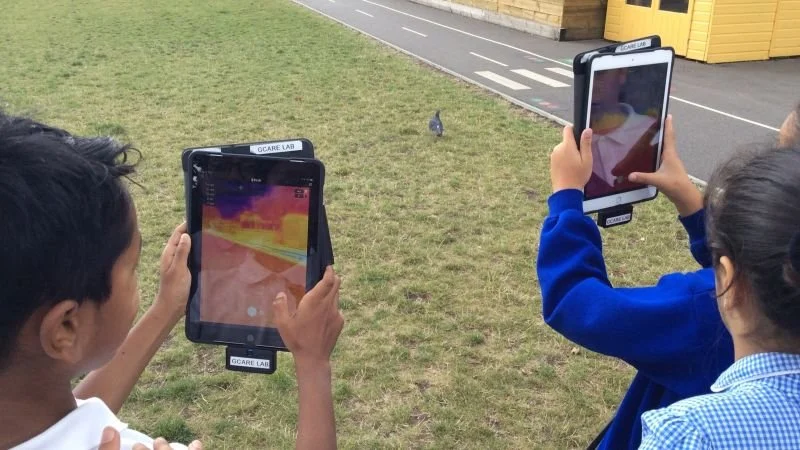
Young Climate Detectives Help Shape Cooler, Healthier Schools
As hotter summers become increasingly common, around 500 primary school pupils across South East England have taken part in the University of Surrey's Heat-Cool programme, investigating how heat builds up around their schools and exploring practical ways to create cooler, greener learning environments.
Using thermal cameras and real temperature data, pupils identified heat hotspots before developing ideas such as green roofs, rain gardens and other nature-based cooling solutions.
The project, led by Professor Prashant Kumar and Dr Jeetendra Sahani from the University of Surrey's Global Centre for Clean Air Research (GCARE), found that more than 80% of participating pupils maintained or improved their understanding of climate change, highlighting the value of hands-on learning in supporting climate resilience and healthier communities.
This work reflects the importance of engaging communities and young people in developing sustainable solutions for healthier indoor and outdoor environments—an ambition shared by GREENIN Micro Network Plus.
Read more, click here.

Parks can cool neighbourhoods and cut pollution hundreds of metres beyond their boundaries, study finds
New research led by the University of Surrey's Global Centre for Clean Air Research (GCARE) has highlighted the important role urban parks can play in creating healthier and more climate-resilient cities.
Published in City and Environment Interactions, the study used high-frequency environmental monitoring in and around Stoke Park, Guildford, to assess the effects of urban green spaces on temperature, air pollution and noise. Researchers found that PM10 concentrations were more than 11% lower inside the park during the morning, while temperatures were 6.5% cooler than in surrounding built-up areas. The cooling effect extended up to 300 metres beyond the park boundary, and noise levels were reduced by more than 5 dB. Tree-covered and grassland areas also improved thermal comfort, reducing perceived heat by up to 8.5°C.
The findings provide strong evidence that urban parks deliver measurable environmental and public health benefits, supporting nature-based solutions for climate adaptation and sustainable urban planning. The research aligns closely with GREENIN's mission to advance innovative greening strategies that improve environmental quality, health and wellbeing.
Read more, click here.
New publication explores how urban green infrastructure influences indoor environmental quality
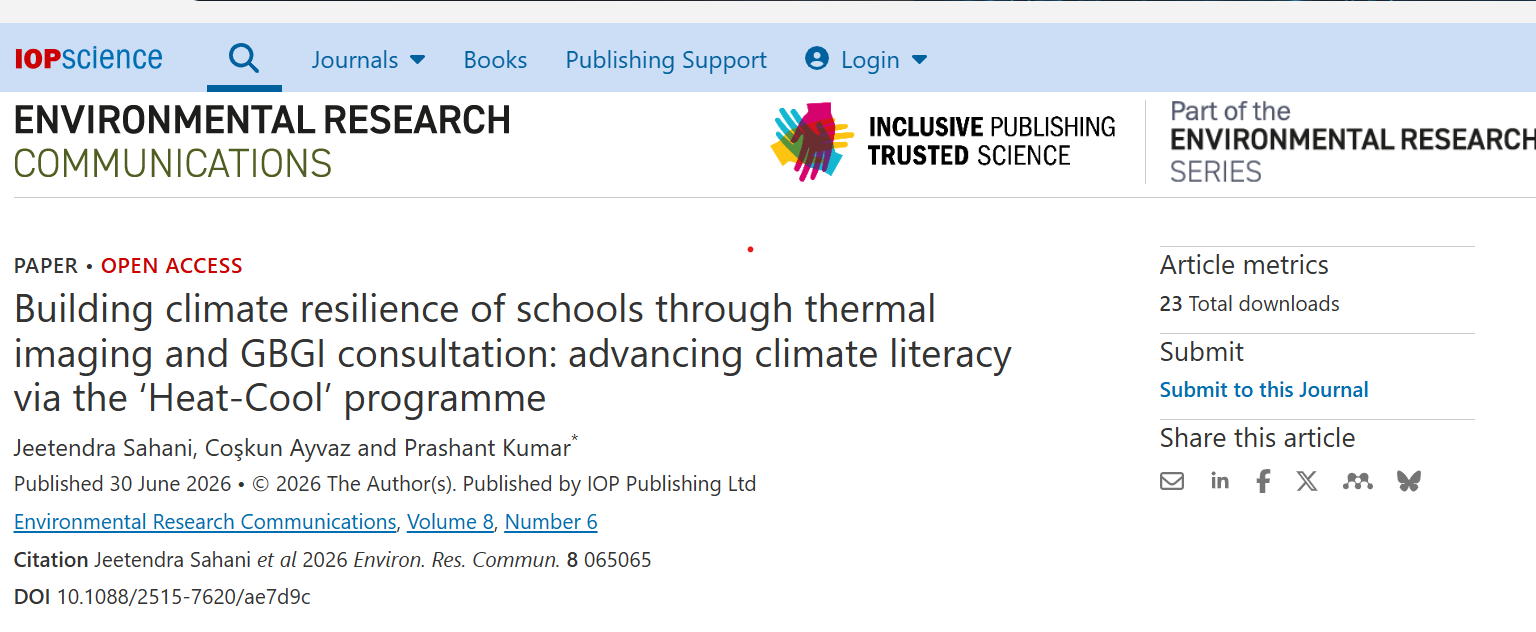
A new paper led by Professor Prashant Kumar has been published in Environmental Research Communications. The study synthesises existing evidence and provides methodological recommendations for measuring the effects of urban green infrastructure on indoor environmental quality. The paper identifies current knowledge gaps and offers guidance for future research, supporting the development of more robust evidence on the role of nature-based solutions in creating healthier indoor environments.
Read more, click here.
GREENIN Announces Four Sandpit Feasibility Projects
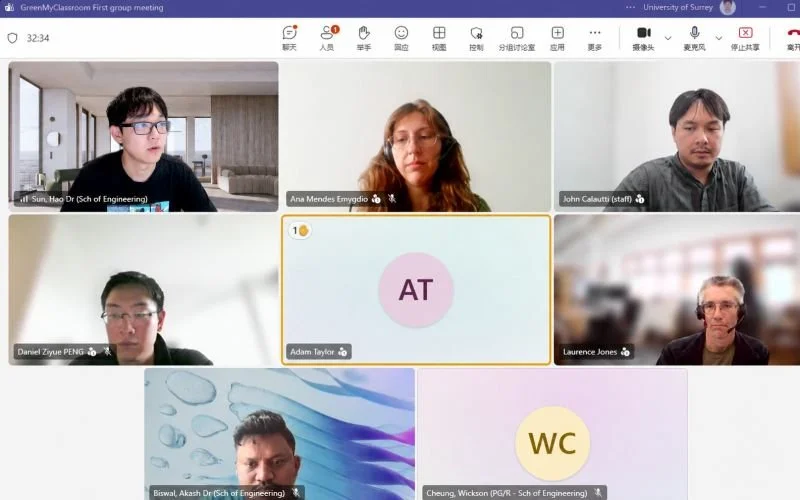
Following the successful GREENIN Sandpit Workshop held in March 2026, we are delighted to announce the four projects selected for feasibility funding. These interdisciplinary projects will explore innovative indoor greening solutions, ranging from improving classroom indoor environmental quality and developing an open-access indoor greening inventory, to understanding how indoor greening influences health and wellbeing, and creating digital twin technologies for safer, climate-resilient buildings.
Together, the projects bring researchers, industry partners, policymakers and community organisations together to generate practical evidence and support the future development of healthier, more sustainable indoor environments.
New evidence shows indoor plants can quietly reshape the health and quality of our homes and workplaces
GREENIN Project Achieves Its First Major Research Output!
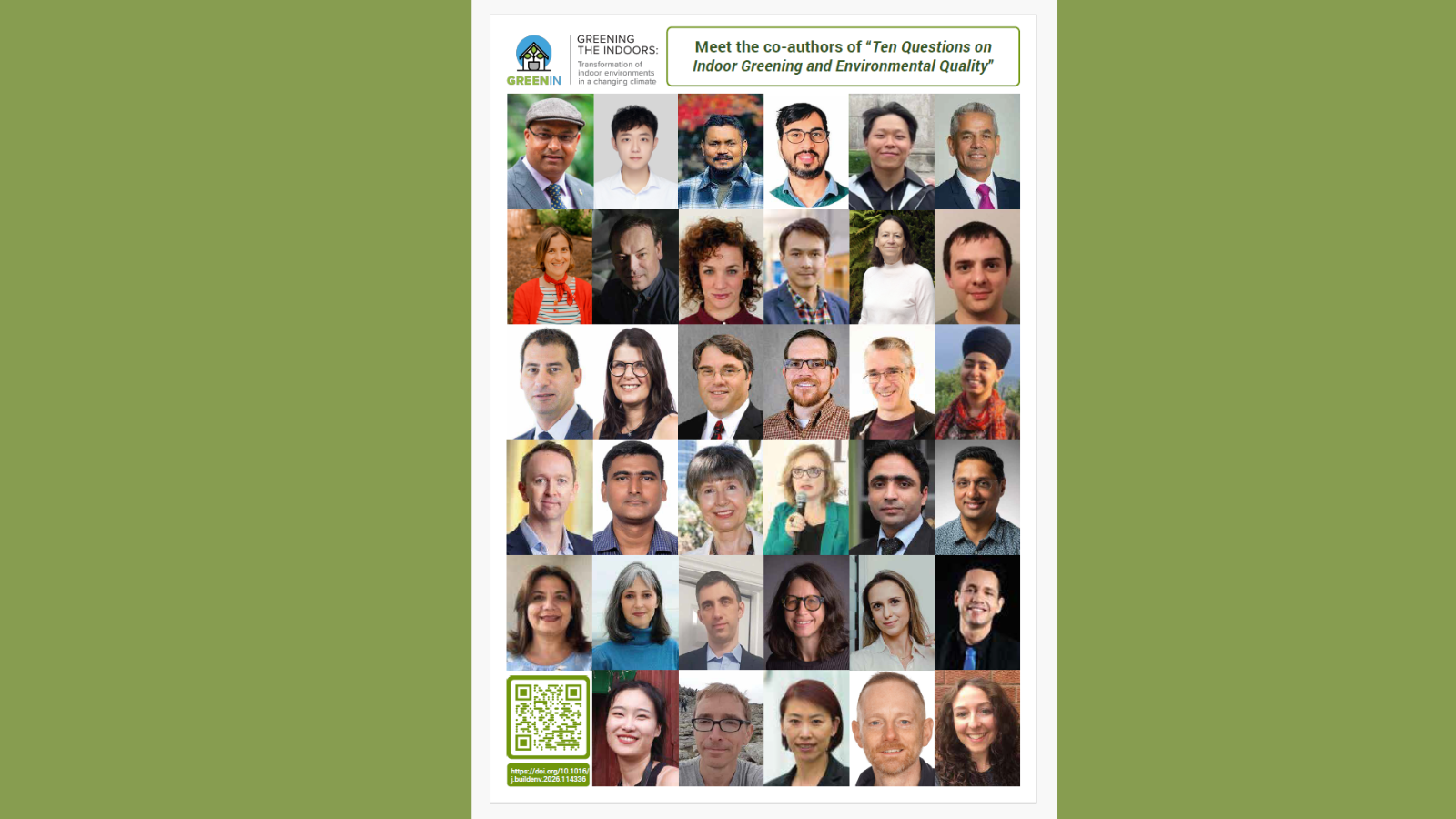
We delighted to share a significant milestone for the GREENIN Micro Network Plus project, the release of our first major publication, led by Professor Prashant Kumar, with contributions from an outstanding team of 35 experts across the UK, Europe, USA, Australia, India and Brazil. Read more here.
Can indoor plants improve your health and environment? The GREENIN project aims to find out
The GREENIN Micro Network Plus is investigating how indoor plants can improve indoor environmental quality and support healthier, more sustainable homes and workplaces. Bringing together researchers from leading UK institutions and international partners, the project will generate evidence and practical guidance to inform future building design and climate resilience.

New Micro Network Plus project aims to explore how indoor plants can improve our health and environment
People have been using plants such as ferns and succulents to brighten up their homes for millennia, but how much of an impact do they have on our environment and wellbeing?